
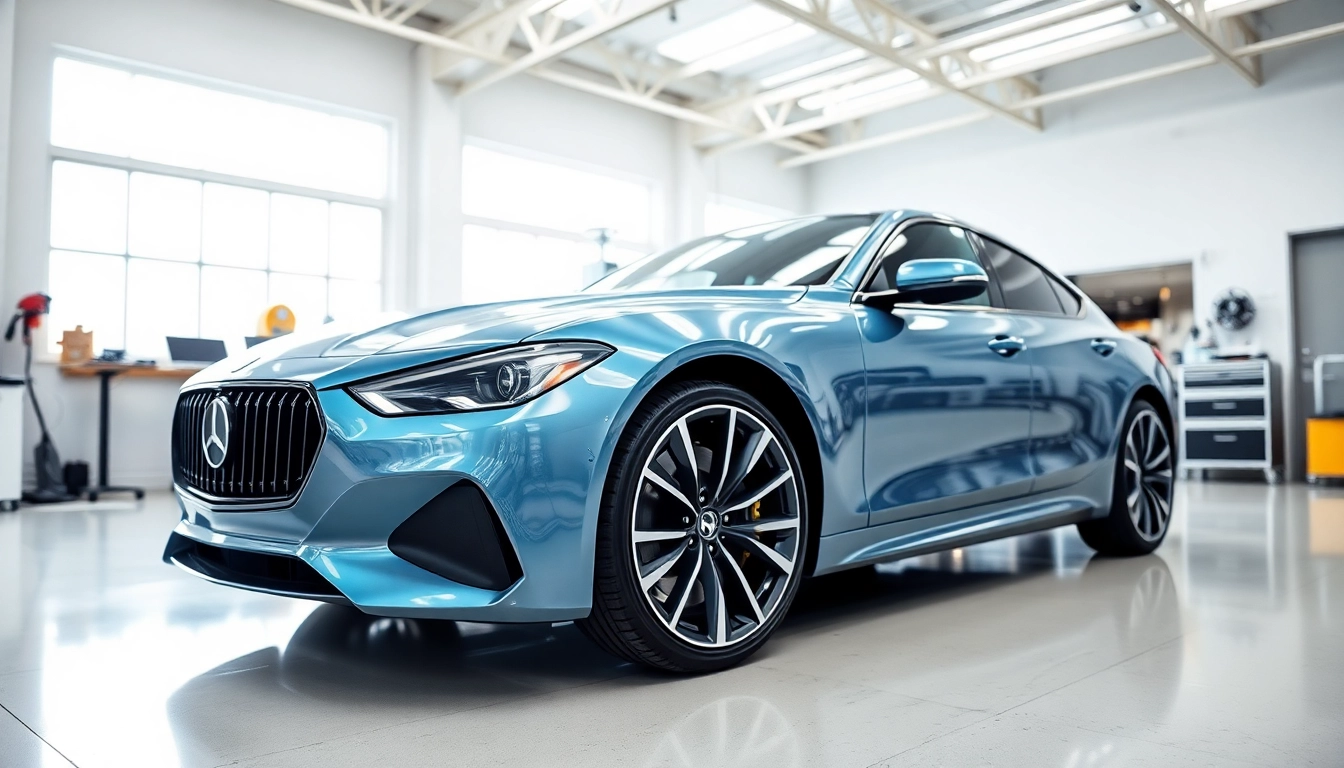
What is Paint Protection Film?
Definition and Purpose
Paint Protection Film (PPF) is a transparent, durable layer that adheres to the exterior surfaces of vehicles to guard against scratches, chips, and discoloration. It is engineered from a polyurethanic material, which offers exceptional resistance to physical damage as well as the harmful effects of environmental elements like UV rays, bird droppings, and road debris. The primary purpose of PPF is to maintain your vehicle’s aesthetic appeal and resale value by preserving the original paint underneath it. For those searching for paint protection film near me, it’s crucial to understand its benefits and applications.
Common Applications
Paint Protection Film is commonly applied to high-impact areas of a vehicle, such as the hood, front fenders, door edges, mirrors, and bumpers. However, many car enthusiasts choose to cover the entire vehicle for maximum protection, particularly for luxury or sports vehicles. Its versatility also extends to other surfaces, including motorcycles, RVs, and even aircraft, making it a popular choice across various modes of transportation. The film can be custom-cut to fit a specific part of the vehicle, ensuring a seamless finish.
Benefits Over Traditional Wax
While traditional wax offers a short-term shield against minor scratches and enhances the shine of a car, it does not provide the same level of protection as Paint Protection Film. One significant advantage of PPF is its durability; it can last for several years without requiring regular reapplication, unlike wax, which needs to be reapplied frequently. Additionally, PPF is self-healing, meaning that minor scratches can disappear over time due to heat exposure. This self-healing property, combined with its resistance to harsh chemicals and UV light, makes PPF a superior choice for long-term vehicle maintenance.
Choosing the Right Paint Protection Film Near Me
Factors to Consider
When selecting a paint protection film, several factors should be considered to ensure the best choice for your vehicle and lifestyle. First, evaluate the quality of the film; premium options generally offer better clarity, durability, and self-healing capabilities. Next, consider the installation process; professional installation is recommended for optimal results, as improper application can lead to issues such as bubbling or peeling. Additionally, think about your vehicle’s color and finish; some films can enhance gloss while others offer a matte finish. Finally, assess the warranty provided, as a longer warranty can indicate higher confidence in the film’s longevity.
Different Types Available
There are several types of Paint Protection Film available, each designed for specific needs and preferences. The most common types include:
- Self-Healing Film: This type repairs minor abrasions and scratches when exposed to heat.
- Matte Finish Film: Ideal for vehicles with matte paintwork, this film maintains the vehicle’s original aesthetic.
- Gloss Finish Film: This type enhances the original shine of the paint, providing a deep gloss without altering the color.
- Pre-Cut Kits: These kits are designed to fit specific vehicle models and allow for easier installation.
Each option has its own set of advantages, so it’s essential to select one that aligns with your expectations and driving habits.
Cost Considerations
The cost of installing Paint Protection Film can vary widely based on factors such as the quality of the film, the area of the vehicle being covered, and labor rates in your location. Generally, a complete vehicle wrap may range from $2,000 to $7,000, while partial applications can be significantly less. When determining the budget, consider the long-term value of protecting your investment and possibly reducing future paint repair costs. Ultimately, it’s beneficial to obtain quotes from multiple service providers to compare pricing and services offered.
The Application Process of Paint Protection Film
Pre-Installation Checklist
Before applying Paint Protection Film, a thorough checklist should be followed to ensure optimal results. Begin by washing the vehicle with a pH-neutral soap to remove dirt, grease, and previous wax layers. Ensure that the surface is completely dry before proceeding. Inspect the paint for existing imperfections; any scratches or chips should be repaired beforehand to avoid trapping imperfections under the film. Lastly, choose an installation location; a clean, dust-free environment with controlled temperatures will facilitate a perfect application.
Step-by-Step Installation Guide
Applying Paint Protection Film is a detailed process that can be broken down into several steps:
- Cutting the Film: If not using a pre-cut kit, measure and cut the film to fit the specific area of the vehicle.
- Positioning: Align the film on the designated area without removing the backing paper.
- Applying a Slip Solution: Spray a slip solution on the adhesive side of the film and the vehicle surface to facilitate easy positioning.
- Applying the Film: Carefully peel the backing and apply the film to the surface, smoothing out any bubbles with a squeegee.
- Trimming Excess: Once the film is properly positioned, trim any excess film for a clean edge.
- Heat Activation: Use a heat gun to activate the adhesive, helping the film conform to the vehicle’s curves.
- Final Inspection: Check for any bubbles or imperfections that need to be addressed before proceeding.
Following these steps ensures that the film remains securely in place and performs effectively over time.
Post-Application Care
After the installation of the Paint Protection Film, proper care is essential to ensure its longevity and effectiveness. Avoid washing your vehicle for at least 48 hours post-application to allow the film to adhere fully. When it comes to cleaning, use a mild, pH-neutral soap and a soft cloth to avoid damaging the film. Additionally, refrain from using abrasive cleaners or tools. Regular inspections for lifting edges or wear are advisable, and addressing any issues promptly can prevent larger problems down the line.
Comparing Paint Protection Film to Other Car Care Products
Painters vs. Film: Which is Better?
When debating between traditional paint applications and Paint Protection Film, it’s crucial to weigh the pros and cons of each. While a high-quality paint job can enhance aesthetic appeal, it does not offer protection against scratches and road debris in the same way that PPF does. Furthermore, repainting can significantly reduce a vehicle’s resale value, while PPF helps to maintain the original paint. For those looking for a long-term solution to protect their investment, PPF stands out as a superior choice.
Durability and Lifespan
Paint Protection Films have a lifespan ranging from 5 to 10 years, with high-quality films lasting even longer. The durability of PPF is influenced by several factors, including maintenance routines and environmental conditions. In comparison, traditional wax requires frequent reapplication and does not provide as robust a defense against physical damage, making PPF a more effective long-term investment.
Maintenance Requirements
Maintaining Paint Protection Film is relatively straightforward. Regular cleanings using a pH-neutral soap and soft cloth will keep the film looking new. Unlike wax, no frequent reapplication is necessary, and the self-healing properties of many films mean minor scratches can disappear without intervention. It’s crucial to avoid any harsh chemicals, as these can compromise the film’s efficacy and appearance.
FAQs About Paint Protection Film Near Me
What is the lifespan of paint protection film?
Typically, paint protection film can last up to 5-10 years, depending on the quality of the film and maintenance.
Can I apply paint protection film myself?
While DIY kits are available, professional application is recommended for the best results and longevity.
Does paint protection film alter the vehicle’s appearance?
High-quality films are virtually invisible and enhance the vehicle’s gloss, showcasing its original color.
Is paint protection film worth the investment?
Yes, it protects against scratches, chips, and environmental damage, preserving your vehicle’s appearance and value.
How is paint protection film maintained?
Regular washing with pH-neutral soap and avoiding abrasive cleaners is recommended to maintain the film’s condition.
